
SMK – The National Gallery of Denmark
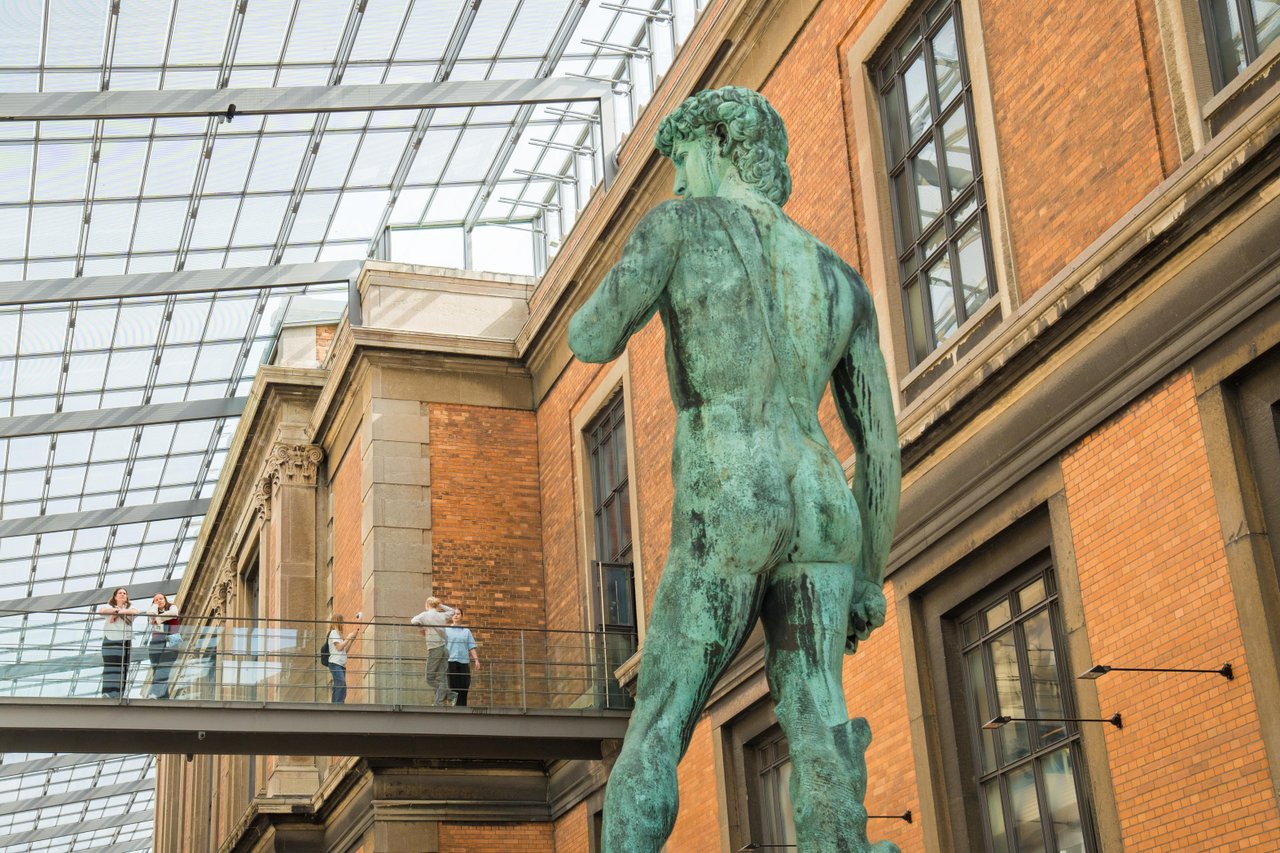
SMK - The National Gallery of Denmark (Statens Museum for Kunst) is Denmark’s largest art museum, featuring outstanding collections of Danish and international art from the past seven centuries. SMK is located a short walk from Copenhagen's Nørreport station. Here you can experience special exhibitions, the royal collections, guided tours, performances, art talks, concerts, workshops and much more.
At the SMK you can experience the great masters of art history along with cutting-edge contemporary artists and the rising stars of the art scene. No other museum in Denmark shows such a rich and varied selection of art – from the European classics of the Renaissance to the overwhelming diversity of modern and contemporary art. Here you will find gems by artists such as Mantegna, Nolde, Anna Ancher, Derain, Rubens, Matisse, Hammershøi, Munch, Abramovic, Danh Vo and Elmgreen & Dragset.
SMK is especially known for its outstanding Danish Golden Age collection, the country’s most comprehensive collection of Danish contemporary art, and one of the world’s finest collections of works by Matisse.
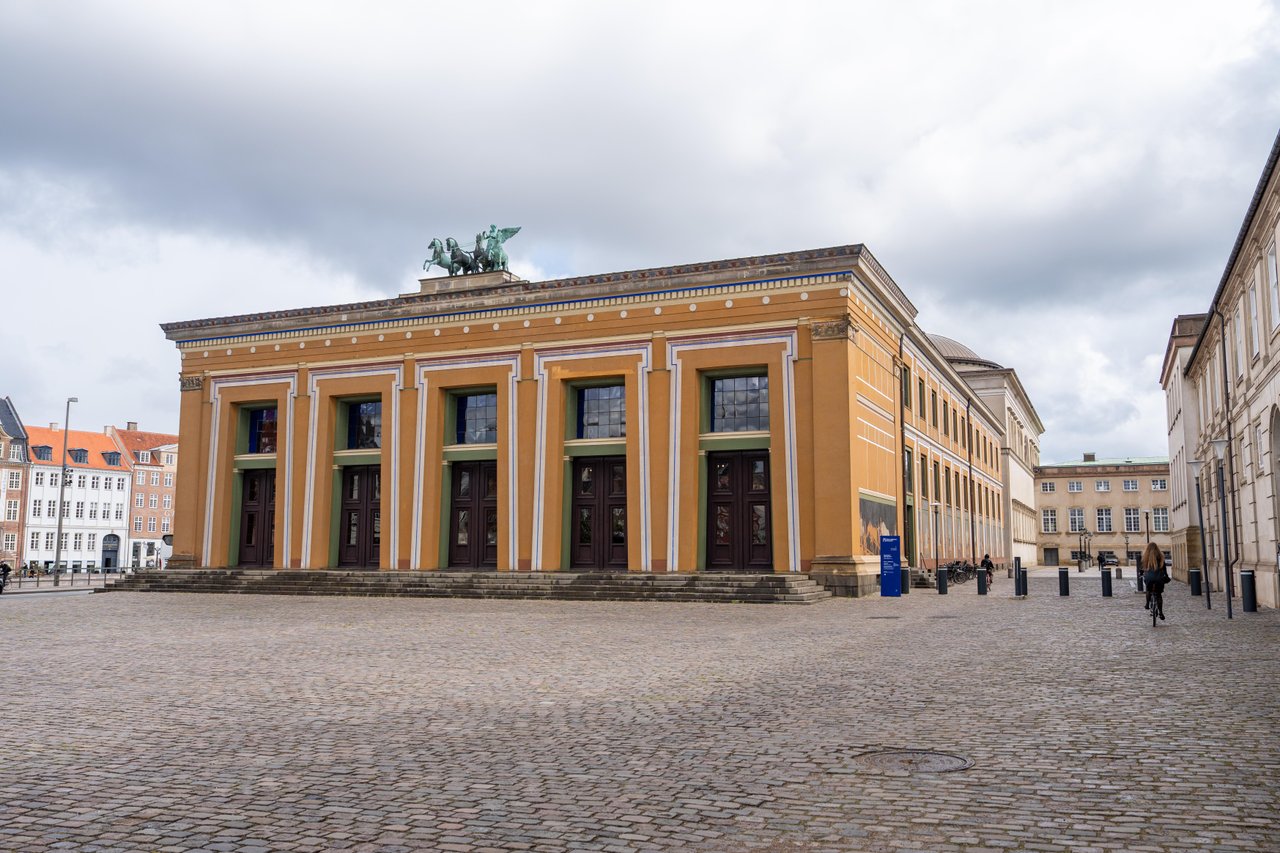
Photo: Mark Tanggaard
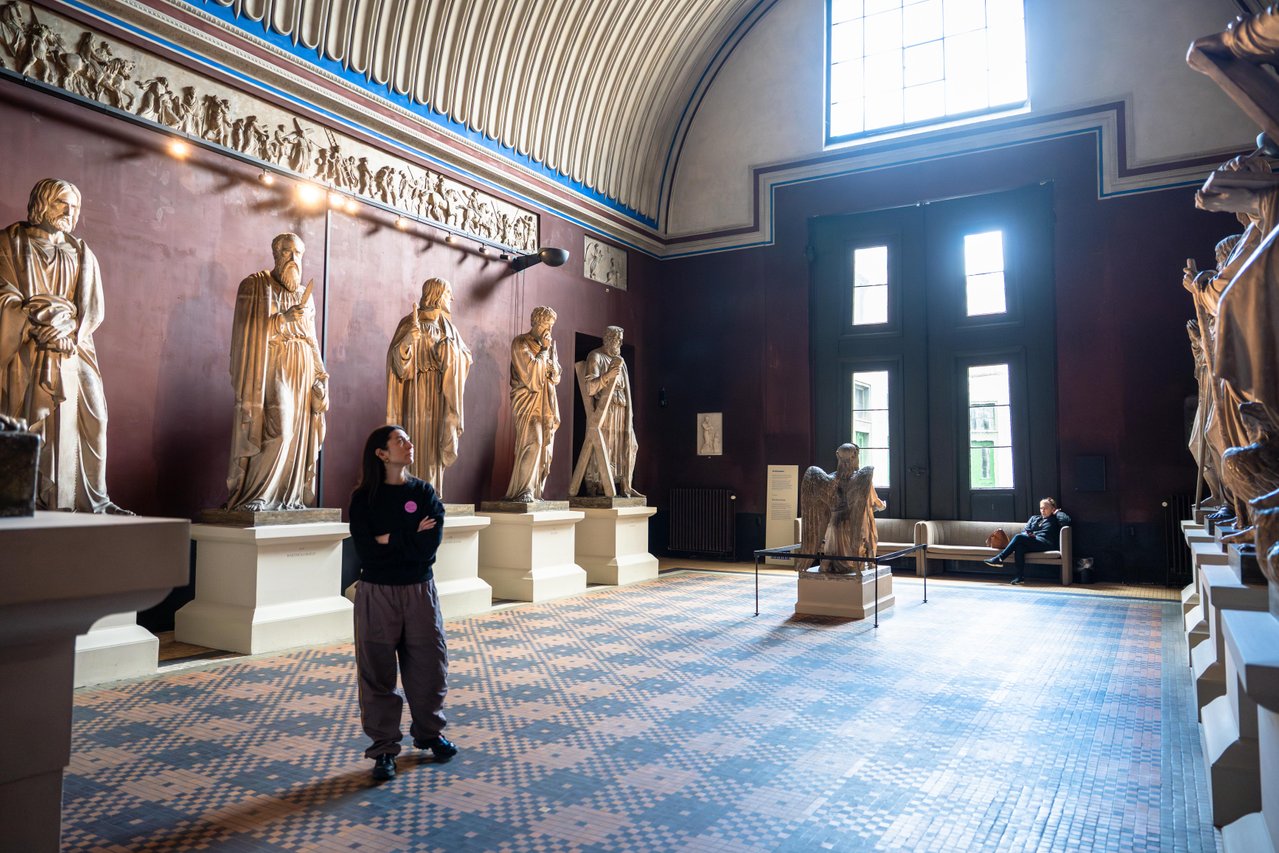
Photo: Mark Tanggaard
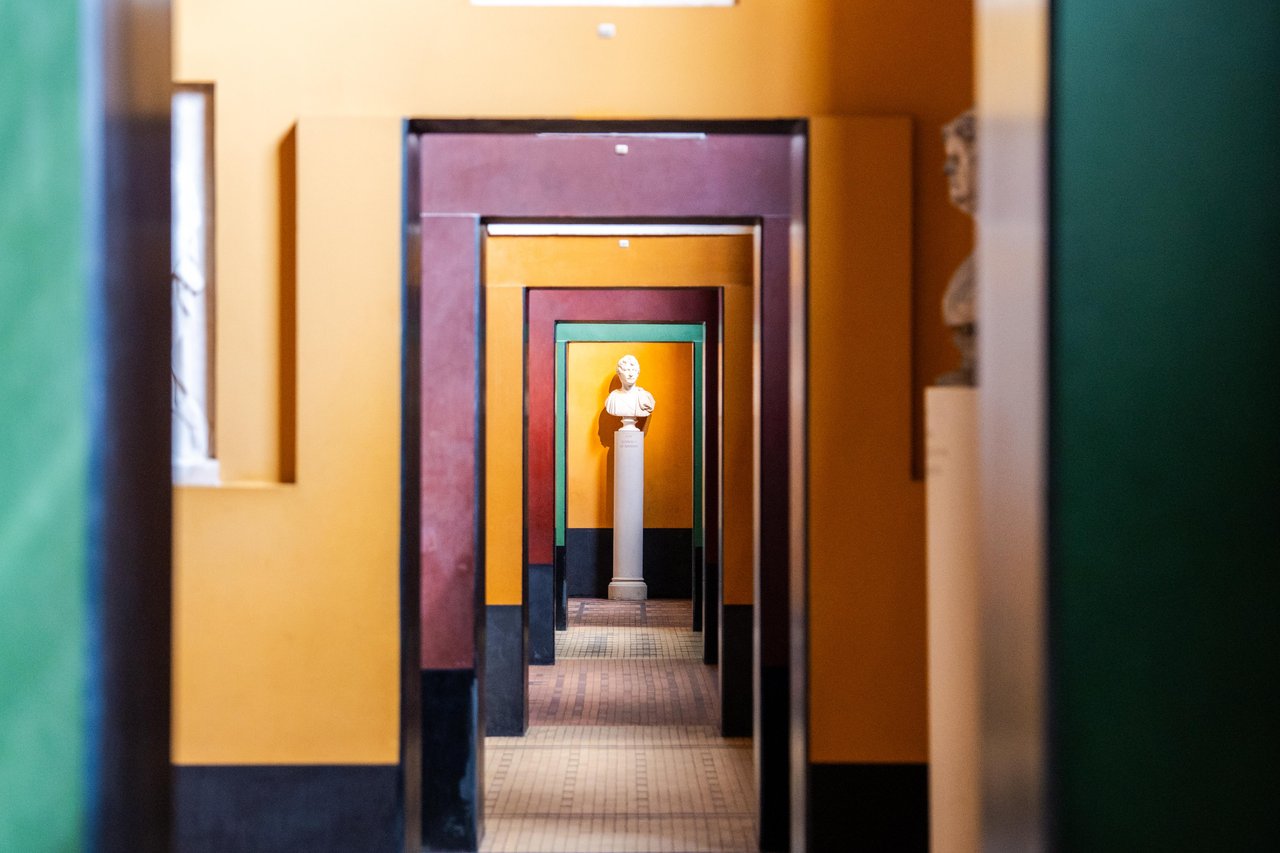
Photo: Mark Tanggaard
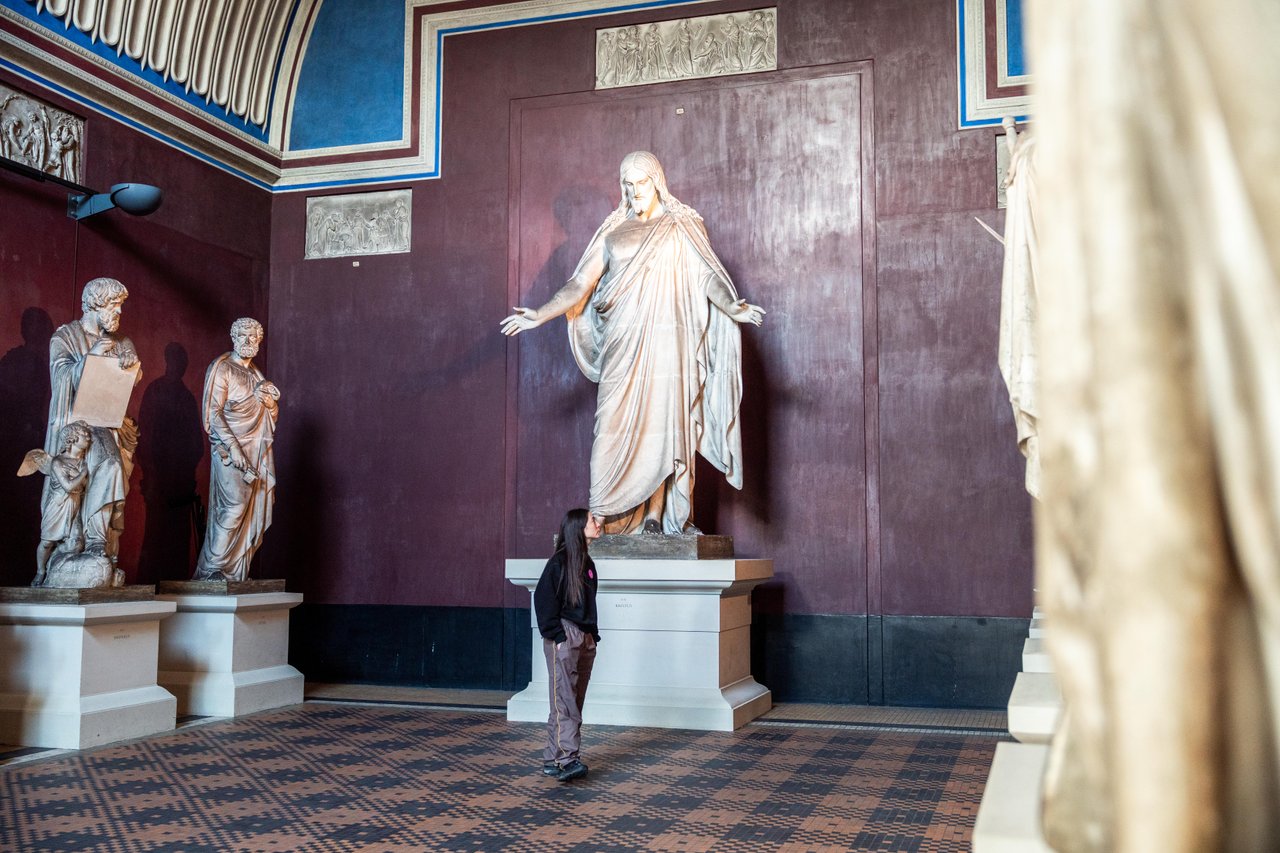
Photo: Mark Tanggaard
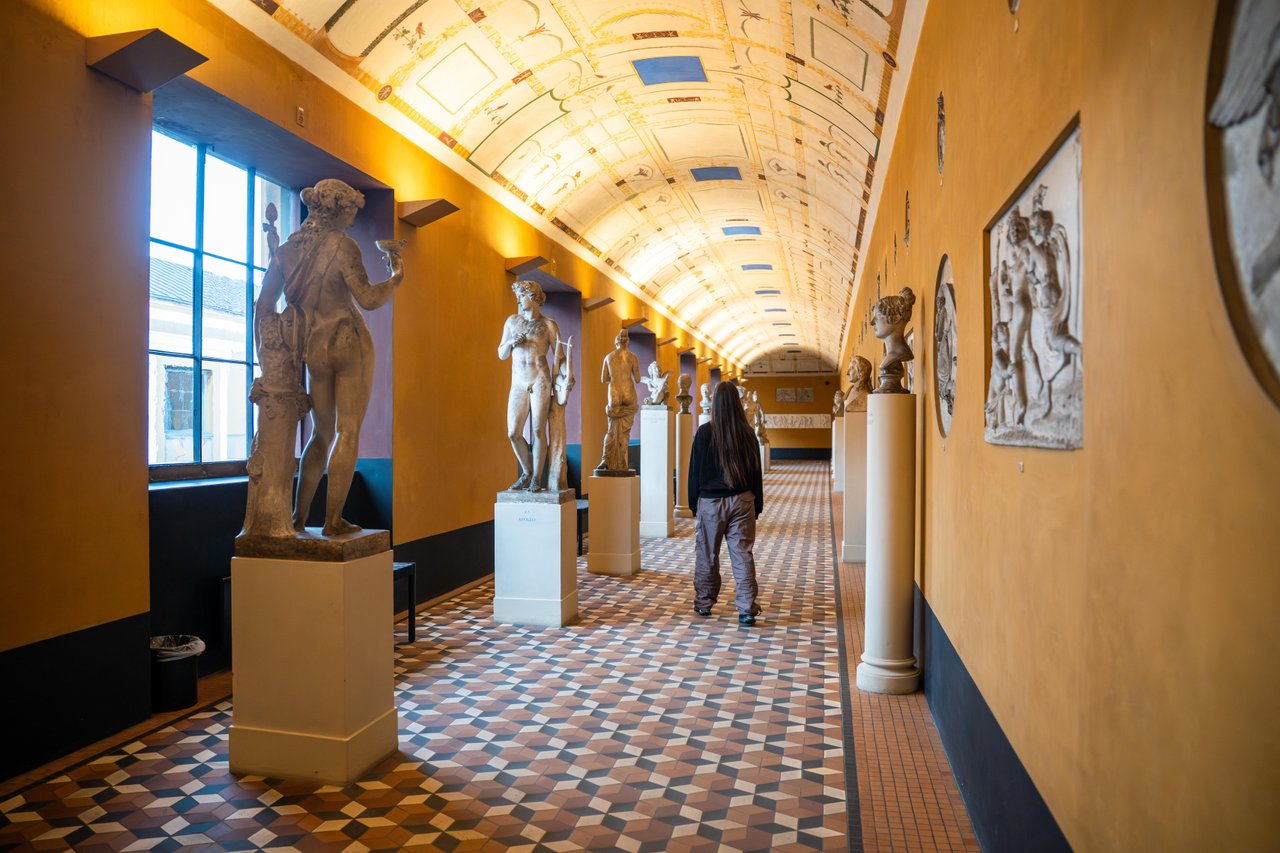
Photo: Mark Tanggaard
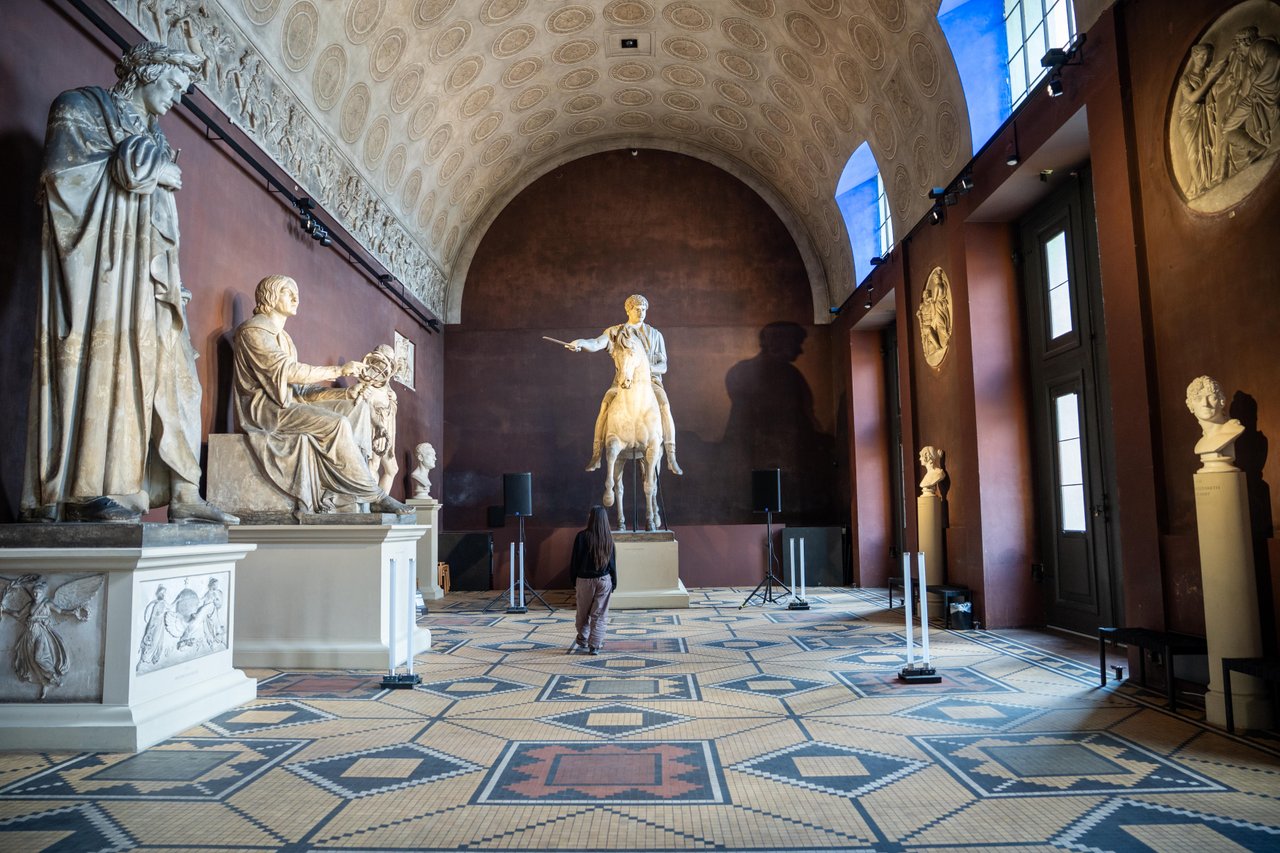
Photo: Mark Tanggaard
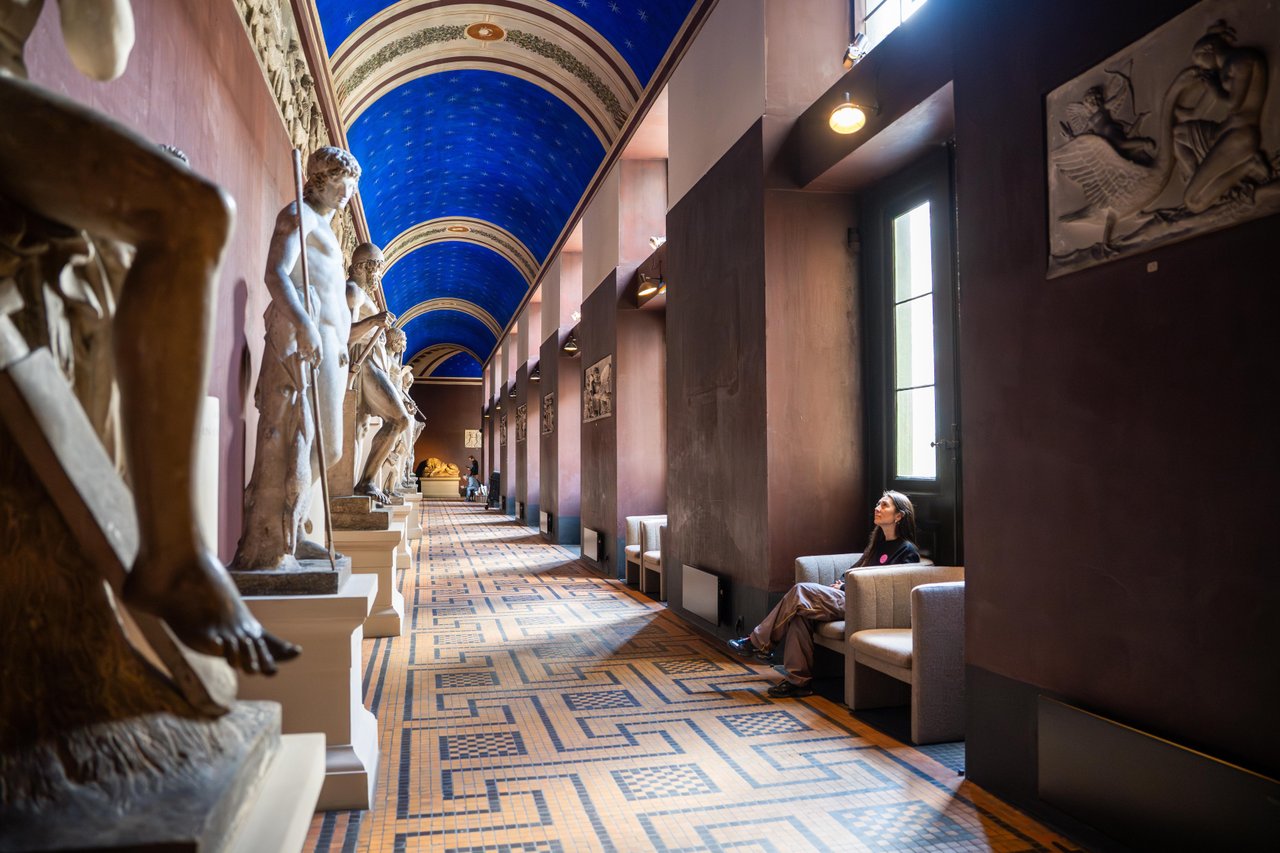
Photo: Mark Tanggaard
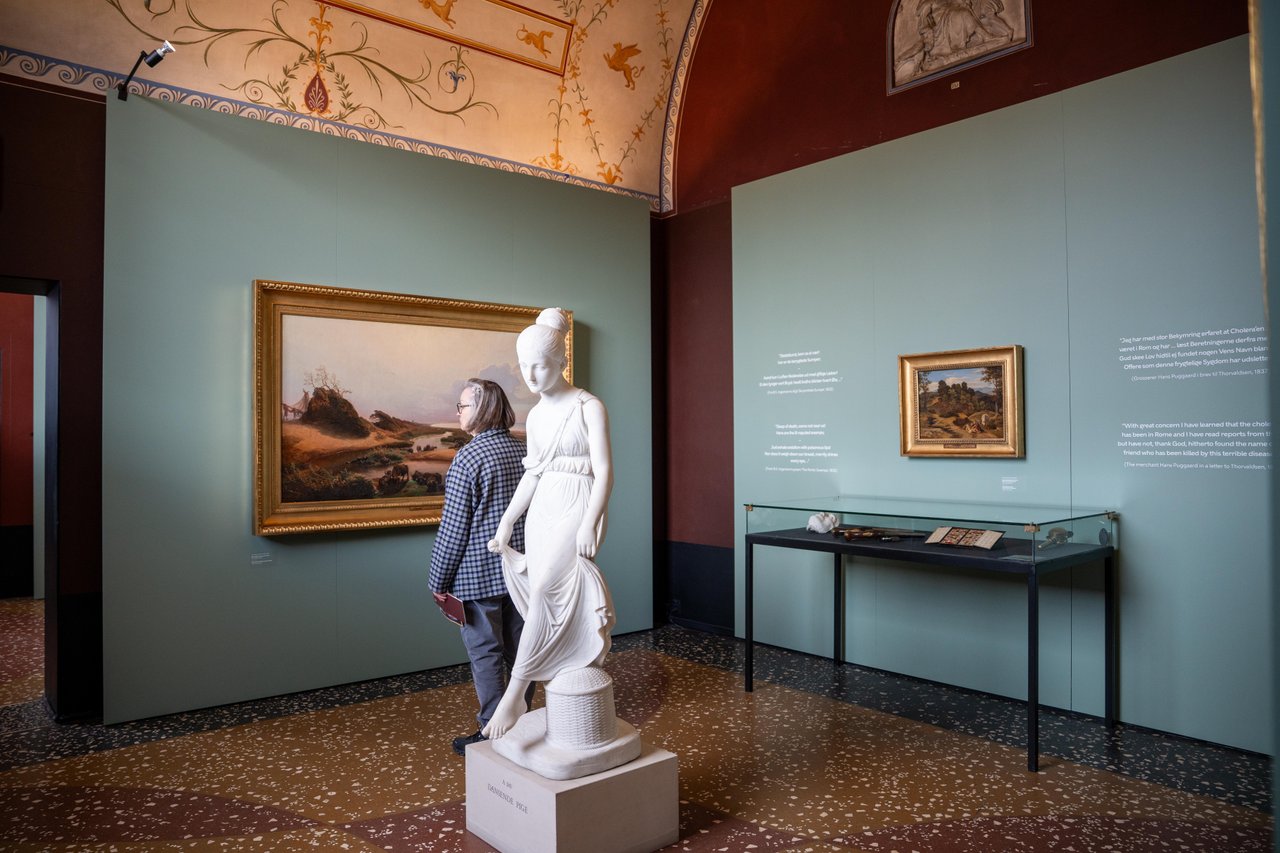
Photo: Mark Tanggaard
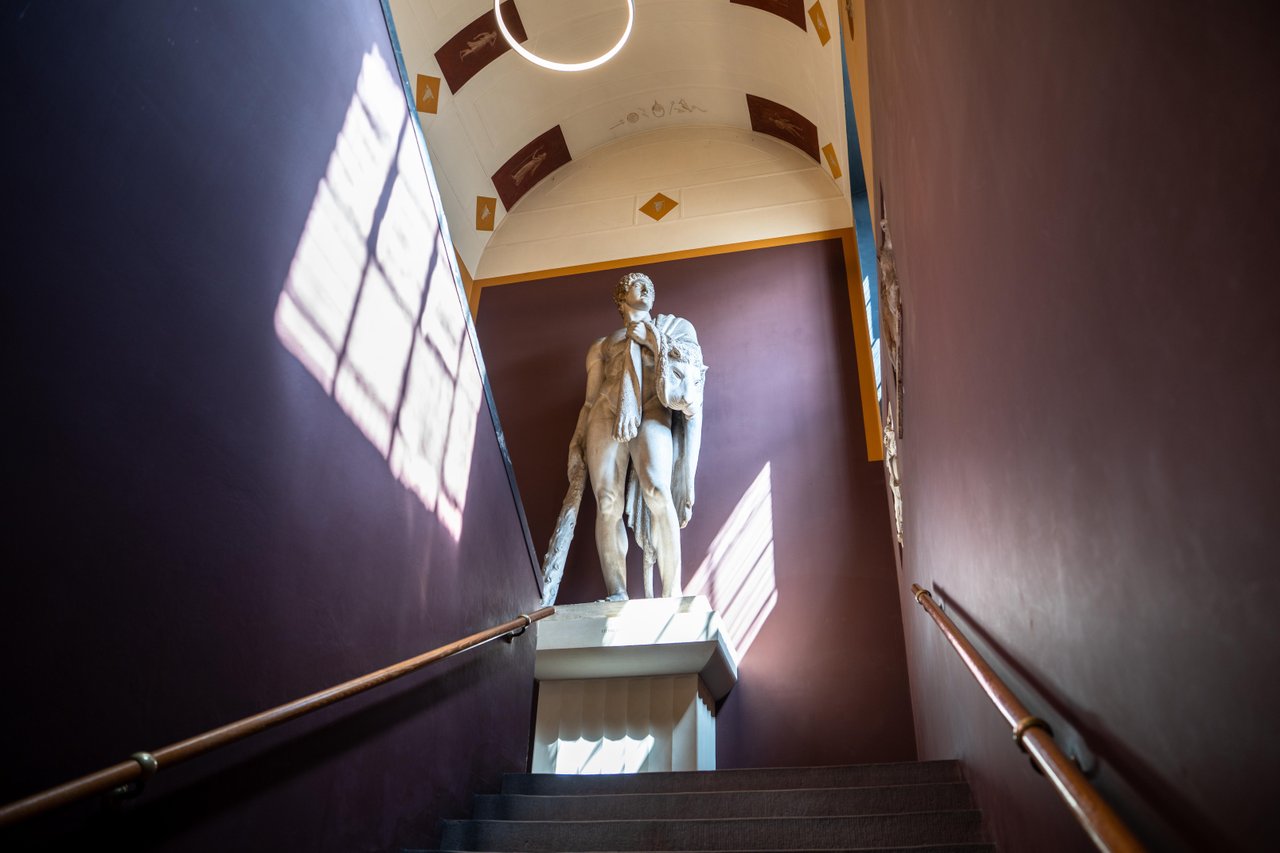
Photo: Mark Tanggaard
Thorvaldsens Museum
Vivid colours and grand architectural design characterise the museum, which houses the works of the world-famous Danish sculptor Bertel Thorvaldsen.
Thorvaldsens Museum opened on September 18th 1848 and was the first public museum in Denmark. The characteristic building was built to exhibit the extensive works of the sculptor Bertel Thorvaldsen. Today the museum looks more or less as it did when it opened over 150 years ago.
A tour of the museum reveals a very special opportunity to enjoy world-class art and architecture. The museum houses the work of the world-famous Danish sculptor Bertel Thorvaldsen (1770-1844).
Located at Slotsholmen in the heart of Copenhagen the museum is very close to some of the most popular attractions of the city.
Their free audio guide offers visitors a glimpse into the history of the sculptures which represents Roman gods and famous historical personages.
Special exhibitions (thorvaldsensmuseum.dk):
Thorvaldsen - Works and days
An introduction to the famous sculptor.
Related Attractions
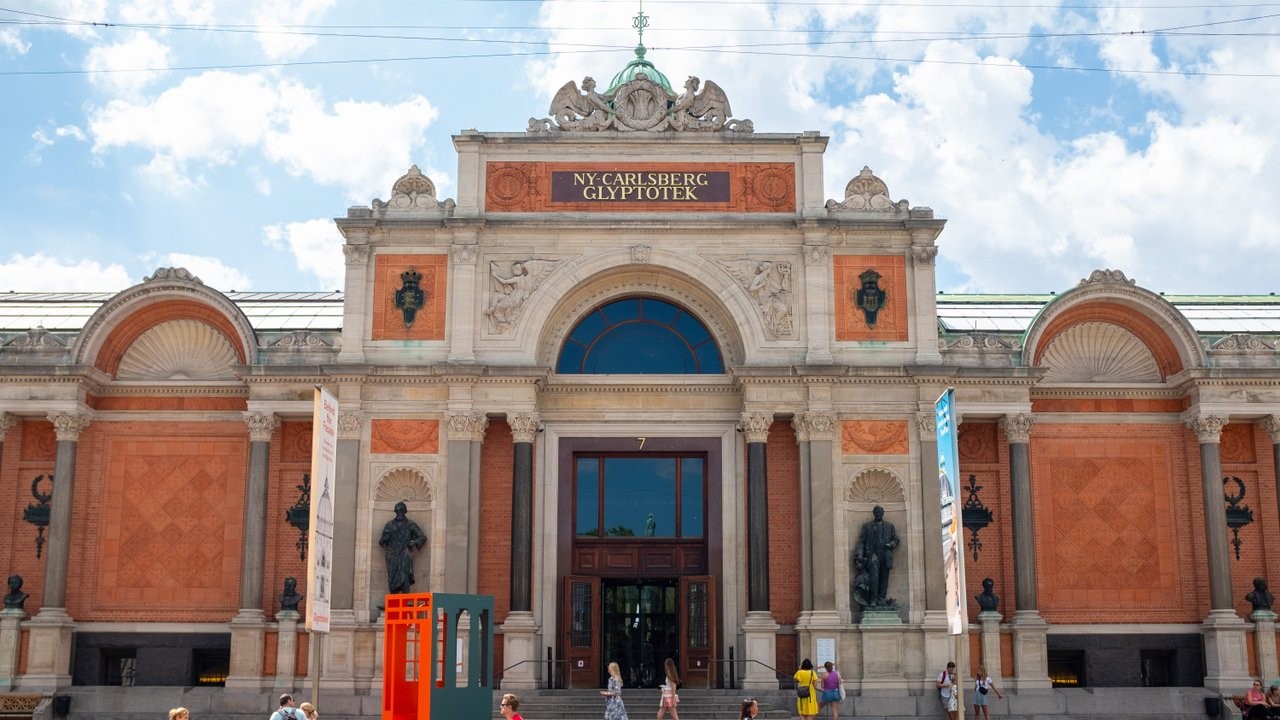
Ny Carlsberg Glyptotek is located in the heart of Copenhagen and houses an extensive collection of Danish and French artwork from the 19th century, a long with archaeological artefacts from ancient Egypt, the Greek and Roman worlds and Middle Eastern cultures.
Art and beer Ny Carlsberg Glyptotek was founded by the brewer, Carl Jacobsen (the founder of Carlsberg breweries), who was one of the great industrialists of the 19th century and one of Denmark’s most prominent art patrons. In 1888 Carl Jacobsen gave his art collection to the public and began the construction of the Glyptoteket. Glyptoteket has been open to the public since 1897 and holds over 10,000 works, with a focus on ancient antiquities, as well as Danish and French sculpture and painting from the 19th century.
The collection The collection of ancient sculptures includes an extensive collection of Ancient Greek and Roman portrait heads as well as a large collection of Palmyrene portraits. The modern part of the collection includes French sculptures from the 19th century – featuring a significant selection of works by Auguste Rodin – and French paintings from 1800 to 1950, with Impressionism and Paul Gauguin as central highlights, plus a collection of Danish Golden Age Art. The main proportion of the collection is part of the museum’s permanent exhibitions, though there are also temporary exhibitions which which provide new perspectives on the collection with the aid of works on loan.
The Winter Garden, café and roof terraceThe café "Picnic" overlooks the beautiful and spacious Winter Garden. Picnic is open on the same days as the museum itself. The Café serves tasty light lunches, desserts, coffee and other beverages.
Visit the roof terrace of the Glyptotek and experience a beautiful view of Copenhagen and the city towers. Every summer, the museum café serves cold drinks, snacks, coffee and cake for you to enjoy with a view.
Special Exhibitions
Alia Farid - A Sounding of the Earth, 2 October 2025 – 31 May 2026The exhibition A Sounding of the Earth presents the Kuwaiti-Puerto Rican artist Alia Farid, whose work explores the many intertwined past and present histories of the Arabian Gulf. By linking ancient artefacts with today's global oil industry, Farid's work traces how eco- systems, cultures and life forms are shaped by political forces and extractive industries - but also how they testify to resistance and resilience.
Gauguin & Kihara – First Impressions, 8 May 2025 – 6 December 2026The Glyptotek holds one of the world’s finest collections of works by the French artist Paul Gauguin (1848–1903). In recent years, many of the museum’s 58 Gauguin pieces—including paintings, woodcarvings, drawings and ceramics—have been on loan to renowned museums across the globe. Now, they return home to be shown together in a presentation, offering new perspectives on Gauguin’s well-known works. The Gauguin collection is joined by the Japanese-Sāmoan contemporary artist Yuki Kihara (b. 1975) and her video work First Impressions: Paul Gauguin, recently acquired by the museum. Together, their works open a dialogue across time, cultural divides and vast oceanic distances.
Degas' Obsession, 8 May 2025 – 29 November 2026On 8 May, the Glyptotek opens a new exhibition centred on Edgar Degas’ enigmatic painting Dancers Practising in the Foyer and the research that has recently led to a proposed revised dating of the work. Degas’ Obsession delves into this single painting, exploring its history and its significance in understanding Degas’ artistic practice. Ballet scenes were a central theme in Edgar Degas’ career, yet Dancers Practising in the Foyer has long been difficult to place in relation to his other ballet paintings. The painting is immediately puzzling—seemingly not finished, with very unevenly applied paint layers, drastically different tones and a dominant shadow from a partially overpainted figure.
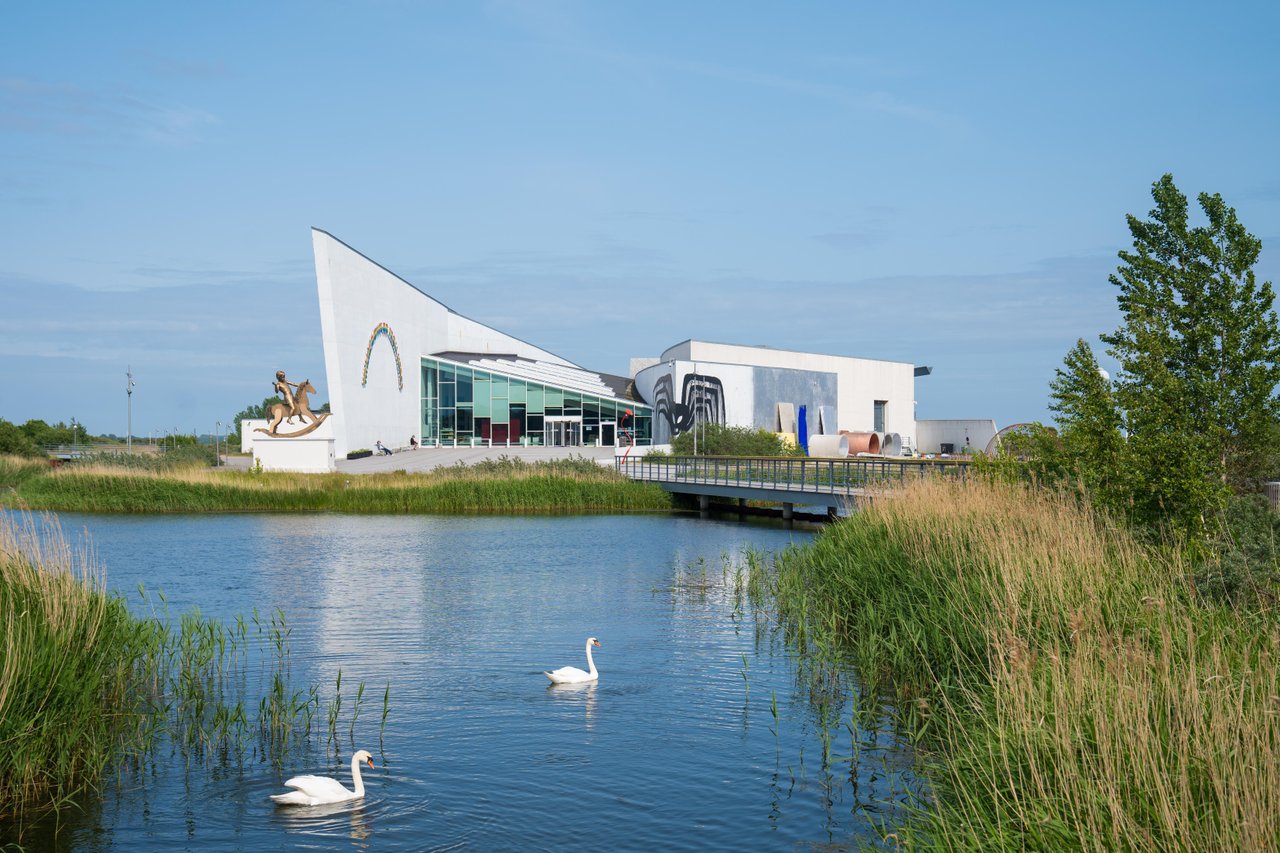
ARKEN is Denmark's leading museum for contemporary art.
ARKEN is Denmark's largest museum for contemporary art. You can experience exhibitions of contemporary art that relate to you, the life you live, and the communities and societies you are part of. Each year, the museum also presents a variety of exhibitions featuring modern Danish, Nordic, and international art.
The museum building is an attraction in itself. Designed by architect Søren Robert Lund, the building resembles a stranded ship with its pointed bow jutting into the landscape, just a few meters from the water. The museum is situated in scenic surroundings with a long sandy beach, making a visit to the museum perfect for a walk or a dip in the waves.Exibitions:55.6° North - Arken's Collection - 05.02.26–30.08.26:55.6° North is ARKEN’s major exhibition of Nordic contemporary art, exploring how identity, community, power, nature, and climate are changing in a time shaped by geopolitical shifts and global uncertainty. Bringing together artists from across the Nordic region, the exhibition offers both local and global perspectives on Nordic traditions, values, and contemporary challenges through a wide range of artistic expressions.
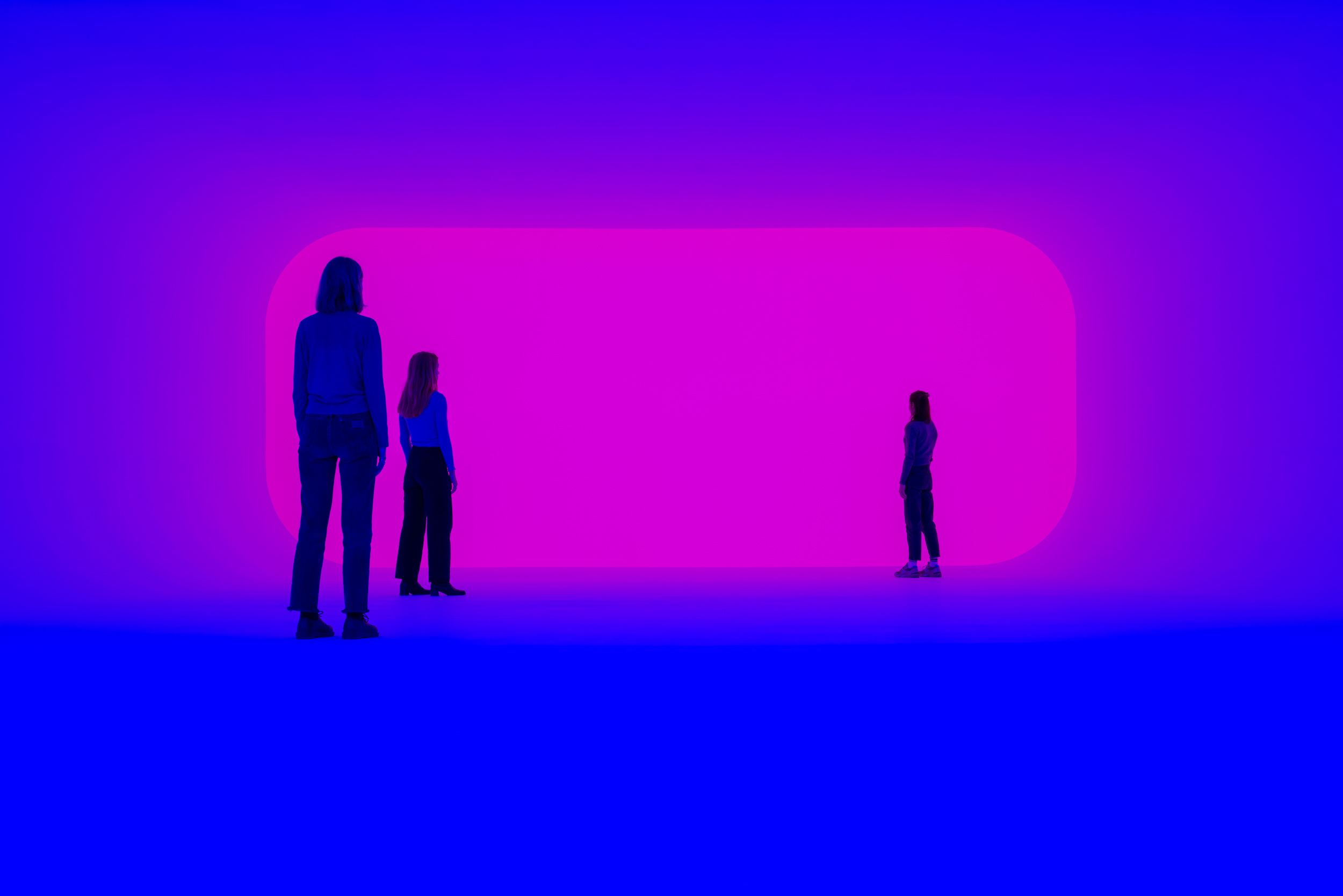
Copenhagen Contemporary (CC) is Copenhagen’s international art center showing installation art created by world stars and new emerging talentsIt occupies the magnificent former B&W welding hall offering a total of 7,000 m2 of beautiful industrial halls with plenty of space to show the technical and large formats in which many contemporary artists work: total installations, performance art, and monumental video works. Art that can often be entered and sensed with the whole body.
Copenhagen Contemporary is one of Scandinavia’s largest exhibition venues for contemporary art and a lively meeting place for a wide audience. CC creates collaborative partnerships and organises events with a number of different partners across cultural genres locally and internationally. You can attend art talks, art walks, concerts, creative workshops for children, visit CC’s own shop offering Scandinavian design, and experience the unique and historical city district of Refshaleøen.
Situated centrally in B&W’s iconic welding hall, CC is an international power hub in Copenhagen’s new cultural district. The special quality of this area continues to be defined by its industrial history: the area is raw and green with commanding views across Copenhagen Harbour. The district is a mix of first-class gourmet restaurants and small entrepreneurial initiatives; you can go for a dip in the sea, for a sauna, enjoy a glass of wine, and eat grilled food, buy quality bread and visit Copenhagen’s most popular food market with stalls from across the world and lounge areas by the water’s edge. Not forgetting the climbing, skating,and skiing activities, the flea market, and the theatre and music festivals, which are just some of the many activities this area has to offer.
Exhibtions (copenhagencontemporary.org):Alia Farid – A Sounding of the Earth – 3 October 2025 – 26 July 2026A Sounding of the Earth introduces the Kuwaiti–Puerto Rican artist Alia Farid, whose practice explores the interconnected relationships between cultural heritage, ecology, and the oil industry in the Arabian Gulf. Working with sculpture and film, Farid draws connections between ancient materials and contemporary extractive economies, examining how political and economic forces shape landscapes, local communities, and forms of resistance. The exhibition invites reflection on how narratives of extraction, adaptation, and survival continue to resonate in both the region and our present day.
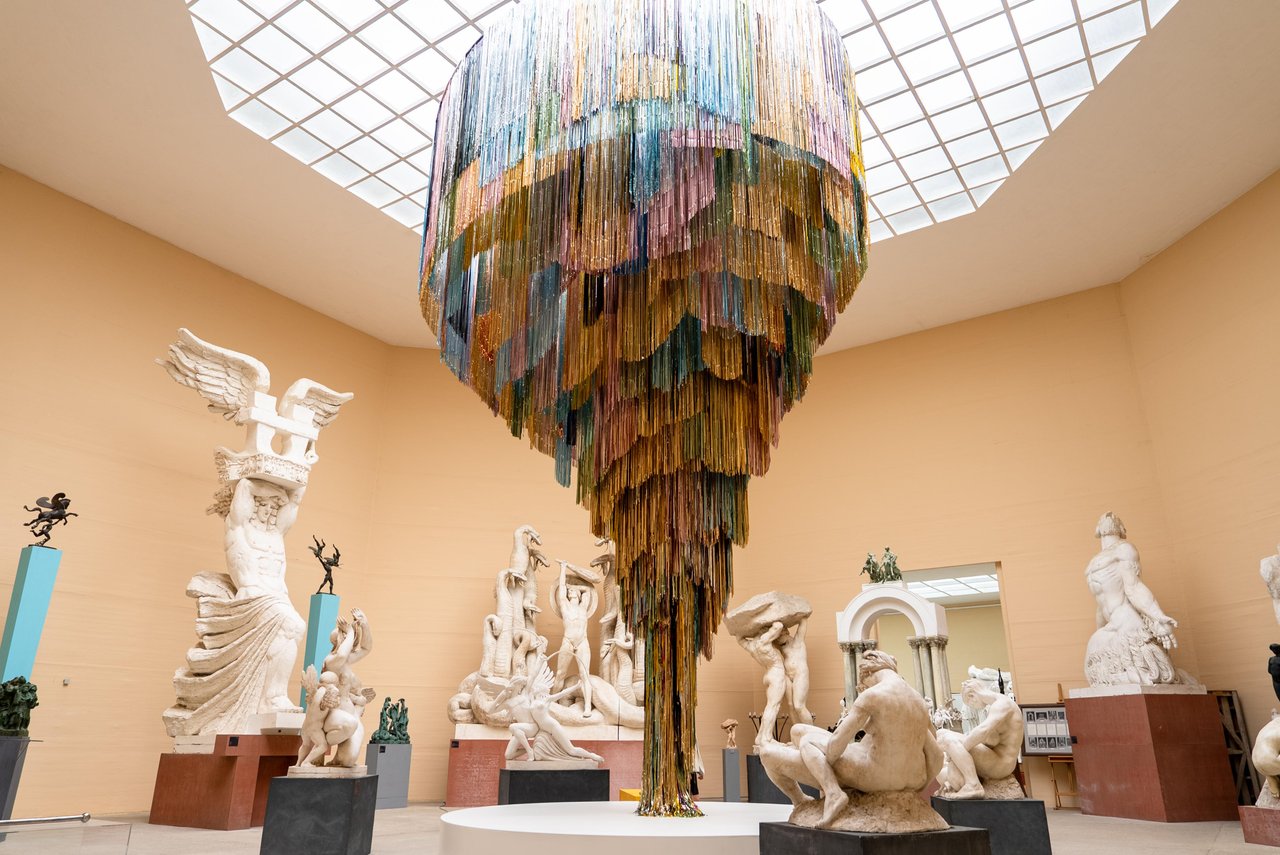
Statues in heathery hills and concrete architecture
Men and women in bronze are looking over the heathery hills in the park. And in the impressive octagonal room in the museum, where the ceiling is 11 metres above you, you find more men and women, now in white plaster. It is a very special experience walking around in Rudolph Tegner’s Museum and the Statue Park – a calm yet intense experience where beautiful nature and bombastic concrete architecture are combined.
Use the route-planner in the Copenhagen Card app to find the easiest route.
A walk in Russia
The natural area where you find Rudolph Tegner’s statues is called Russia. The rather special name relates to the remoteness of the place. However, from Russia and Rudolph Tegner’s Museum to the nearest town, i.e. Dronningmølle in North Sealand, is only 2 kilometres.
In the park, you find 14 Rudolph Tegner statues while walking around the heathery hills outside the museum. See the art in Rudolph Tegner’s Statue Park.
Almost like a church
The museum room was designed by Rudolph Tegner himself with the purpose of housing all his artworks. It was built in 1937-38, and when walking through the large gate, you almost feel like you are in a church. The solid walls, the high ceiling and the absence of large windows make all sounds resonate between the statues.
The permanent collection counts 355 of Rudolph Tegner’s artworks. Most of them are originals in plaster; others are in bronze and marble.
Climbing trees and activities for children
Children are welcome at the museum. In Statue Park, there are climbing trees. You can also go treasure hunting or orienteering during your visit – both require that you have information about the artworks. If you want to be creative, you can visit the drawing workshop to try to draw various artworks. Activities for children all over North Sealand.
Søren’s Café
When you have walked the hills and experienced the octagonal museum room, you can visit the café where you can get lunch or a cup of coffee. The café at Rudolph Tegner’s Museum is open in the summer season. They serve coffee, tea, cake, sandwiches, ice cream, etc. Here you find the opening hours of Café Søren at Rudolph Tegner’s Museum.
One of Denmark’s great sculptors
Rudolph Tegner was educated at the Royal Academy of Fine Arts in 1893. His art was very controversial at that time. His work is intense, dramatic and huge and comes under the art form called vitalism. His work formed a great contrast to other Danish sculptors such as Bertel Thorvaldsen.
For a great part of his artistic life, Rudolph Tegner lived in France and 1916; he bought the area outside Dronningmølle, where he constructed his museum. Here, he is buried together with his wife, Elna.
Combine your trip to Tegner's museum with a nice day trip to the beach town Hornbæk.
Opening Hours
02.01.2026 - 23.12.2026:Monday: closed
Tuesday: 10:00 - 17:00
Wednesday: 10:00 - 17:00
Thursday: 10:00 - 17:00
Friday: 10:00 - 17:00
Saturday: 10:00 - 17:00
Sunday: 10:00 - 17:00
Location
Bertel Thorvaldsens Plads 2
1213 København K
http://www.thorvaldsensmuseum.dk
Café
 Not wheelchair accessible